Buy a Finished Home or a Plot in Turkey? Costs, Time and Risk Compared
Buy ready-made or build your own? We compare value, rental income, costs, financing and time – with a checklist to help you decide before committing in Turkey.
Contents
Key points
- A finished home can usually be used – and let – sooner; a plot means design work, permits and construction time.
- Bare land generally earns no residential rent, though it may be leased depending on its permitted use.
- A cheap plot is only cheap once construction, permits and utility connections are added up.
- Get current written terms from the bank or developer – older average rates do not automatically apply.
- Neither option guarantees capital growth or a particular return.
As of 18 July 2024 (revised 6 January 2026). General information only, not legal, tax or financial advice.
The basic choice
If you want your own house in Turkey, you can buy one that already exists or buy land and build. Both routes work, but they make very different demands on your budget, your time and your ability to manage a project. Start with two questions: how will you use the home, and when do you need it?
Side by side
How value develops
- Land: prices respond to demand, the supply of plots and how the surrounding area evolves. New transport links and urban projects, for example in Istanbul and Antalya, can change a location – but they do not guarantee that any single plot gains value.
- House: location, build quality, condition and local demand matter most. A good address near amenities helps when you sell, yet prices can fall as well as rise.
Rental potential
- Land: normally no residential income. Depending on permitted use, it may be leased for farming, business or temporary use.
- House: can generate rent earlier. Results depend on demand, occupancy, running costs and rental rules, and holiday lets need more hands-on management than long-term tenancies.
What it costs
- Land: the purchase price may be lower, but construction, permits and utility hook-ups come on top. Budget for the whole project and arrange financing early.
- House: the price covers land and building. Set aside money for maintenance and possible renovation.
Timeline
Land suits a longer-term building plan; a finished home can usually be lived in much sooner.
Paying for it
- Land loans. Some banks lend for land purchases, but they differ on which plots they accept as collateral and which buyers qualify. The amount depends on valuation, the plot's characteristics, your finances and the bank's policy, and a substantial down payment may be needed. Do not count on full financing or approval within 24 hours.
- Mortgages for a home. Some Turkish banks lend to foreign buyers who meet their criteria. Amount, currency, rate and term depend on the bank, the property, your circumstances and current lending rules.
- Developer payment plans. Some developers offer instalments. Deposit, due dates, currency and any interest or price premium are set in the contract – an "interest-free" plan is not automatically the cheapest once you compare the total price and handover terms.
Whatever route you choose, ask for an up-to-date written offer showing interest, fees and repayment schedule before signing. Our guide to paying for property in Turkey explains how the payment itself works.
Resale home or new build?
An existing home makes sense if you want to move in soon: you can inspect the building and neighbourhood first and see your upfront costs more clearly. Older properties may need renovation, so factor that in when comparing with a new build.
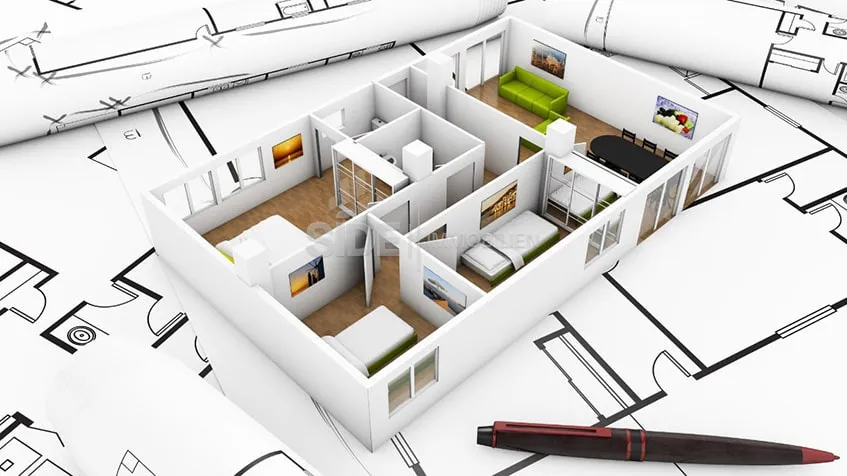
Building your own gives you control over layout, materials and fittings, and lets you plan energy-efficient systems from day one. In return you must coordinate design, permits and construction, with a realistic schedule, clear contracts and constant cost control.
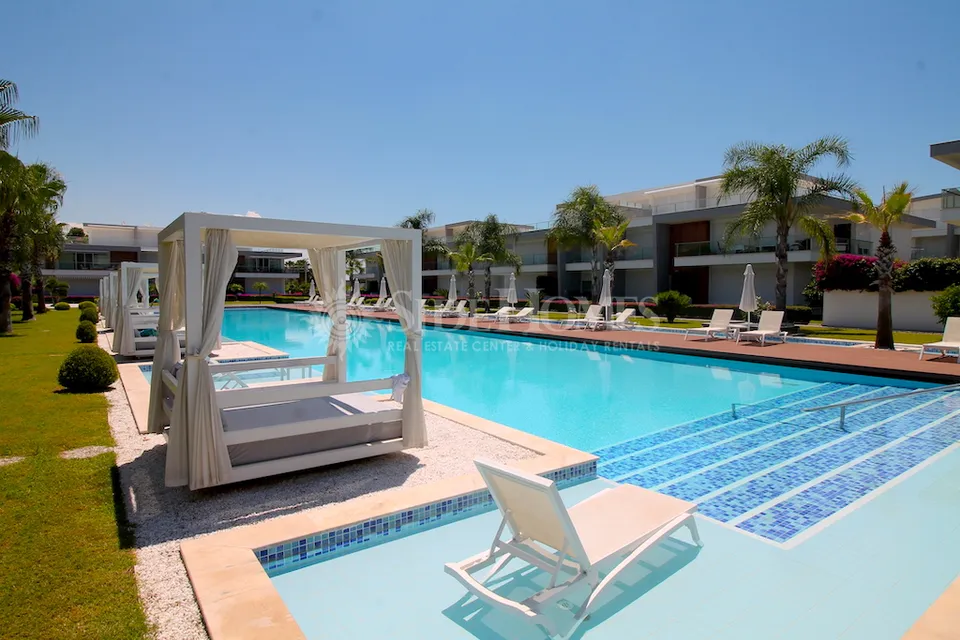
If speed and a clear budget are your priorities, a ready property is often the simpler route – for instance in an established residence or a completed new-build project.
Questions to answer before you decide
- Budget: compare purchase plus renovation with land, design, permits and construction, and keep a contingency. Financing should not depend on hoped-for price growth.
- Location and plot: distance to shops, schools, work and public transport; for land, also terrain, soil, drainage, buildability, road access, power and water.
- Time and effort: design, approval and building can take months or years. Who will oversee the work on site?
- Risks: construction delays and rising costs, plus normal market swings.
- Paperwork: for a house, the building documents and purchase requirements; for a new build, zoning, building permit and project conditions as well.
- Your plans: do you need the home soon, and what will you need in a few years?
- Resale: a highly personal layout may not appeal to the next buyer.
- Upkeep: new homes need maintenance too, just of a different kind.
Laws, fees and lending rules may have changed since – please check the current position.
Bottom line
There is no universally better choice. A finished home offers an earlier move-in and clarity; a new build offers freedom but needs time, reserves and supervision. To explore ready homes on the Turkish Riviera, browse our properties for sale or contact us.