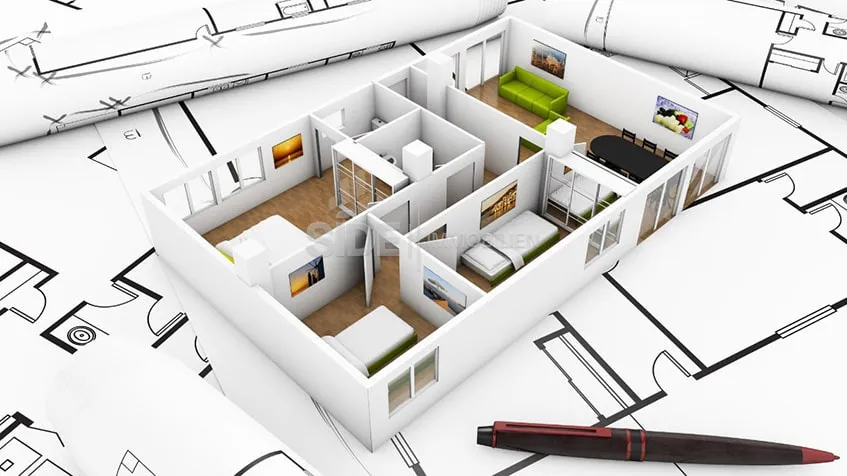

Buying an off-plan or under-construction home in Turkey: contract, payments, handover
How to check the project and developer, understand the contract, plan instalments and prepare for handover when buying a home that is still being built in Turkey.

Contents
Key points
- Buying a home under construction means deciding on plans, specifications and actual progress rather than on a finished home.
- Building permit, approved project documents, the land title and the seller's authority to sell should be checked independently.
- Your contract should define the unit, specifications, price, instalments, handover date, transfer of ownership and your remedies, and your own lawyer should review it.
- A small deposit only helps if the later instalments are affordable too.
- Delays, stalled work, defects at handover and missing paperwork are the main risks to plan for.
Source as of 10 May 2024 (revised 6 January 2026). General information only, not legal or tax advice.
Off-plan or under construction?
Marketing labels tend to blur together. What really matters is how far the building has progressed and what the developer commits to in writing.
- Off-plan: You buy from drawings and a specification. Find out what has been approved and whether work has started.
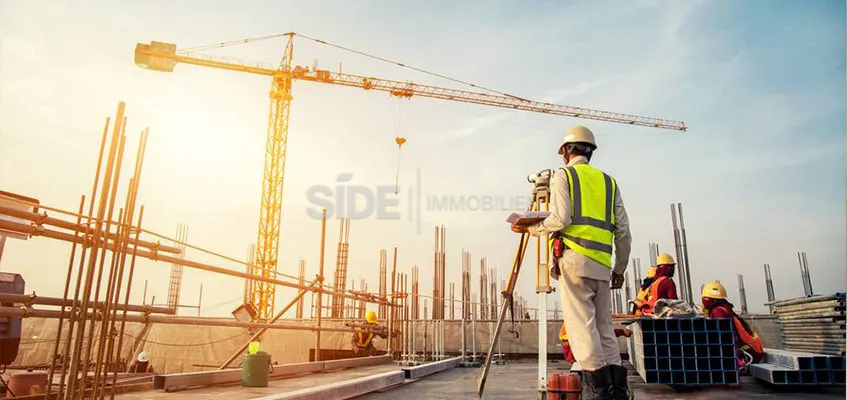
- Under construction: Work is under way, but that can mean anything from foundations to final finishes. Ask for a dated progress report.
The brochure shows the finished result. Your job is to understand what is being sold, how it will be paid for and what still has to happen before you can move in.
Questions to settle while you can still choose
While several units are still available, it pays to work through a checklist, whether you are looking at an apartment in a pool complex in Side or elsewhere on the Turkish Riviera.
- Permits and approved plans: see them, and have their scope checked independently.
- Track record: which buildings has the developer completed, when were they handed over, and did buyers get what was agreed?
- Everyday services: shops, healthcare and schools if needed. Separate what exists today from what is only planned.
- Journeys: drive the routes you will use, and check real public transport stops if you rely on them.
- Surroundings: visit at different times of day to judge noise, activity and open space.
- Neighbouring plots: ask about local plans, particularly if the view is part of the appeal.
- Shared facilities: which pools, parking and amenities are included, when do they open and how is upkeep paid for?
- Floor level: weigh stairs, lifts and access against your own needs. No single floor suits everyone.
- Light and outlook: use the plan and a site visit to understand orientation, and ask what could be built in front.
- Usable space: compare room sizes and the advertised gross area with the space you will actually use. Our newer guide on net vs gross area explains the difference.
Who is really behind the project
A brochure name does not tell you who owns the land, who is selling and which company has to finish the building.
- Talk to residents of completed schemes about the handover and how problems were handled afterwards.
- Have your lawyer check the land title, rights and restrictions, company details and approved plans.
- Visit the office and the site and compare what you see with the schedule you were given.
- Look at older buildings by the same developer. Finishes and common areas after some years of use say more than a show flat.
Before paying anything, an independent lawyer should confirm the required form of contract and how ownership will be registered.
Making the payments work
Start with the total budget, then see how the payment plan fits into it.
- Instalments to the developer: deposit, due dates, currency and any interest or charges in writing. Terms vary from project to project.
- Bank finance: confirm that the bank accepts both you and the property. Loan-to-value ratios and terms are not the same for everyone.
- Paying upfront: a discount may be on offer, but consider how much money you commit before the building is complete.
For newer information on paying through the banking system and the foreign exchange certificate, see paying for property in Turkey. The planned secure payment system at the title deed office is covered in our secure payment post.

The upside of buying early
- Personal choices: depending on the stage, you may pick finishes or request changes. Put options, costs and deadlines in writing.
- Workmanship: a clear specification shows what is included. Plan a thorough inspection once the home is ready.
- Structure: Turkish earthquake rules and the project's engineering documents matter. A new building is not proof of safety on its own.
- Price and terms: compare the whole deal with similar finished homes. Do not assume it is cheaper or that the value will rise. Our guide to judging property prices can help.
- New amenities: gardens, pools and sports areas are pleasant, but their completion dates and running costs belong in the decision.
You can browse current new-build properties in our region.
When things do not go to plan
You commit before you can inspect the finished home. A clear contract and a realistic timetable help, but they cannot remove every risk.
- Late handover can postpone moving in or letting and change the return you expect. Have the deadline and your remedies reviewed by your lawyer.
- Work stopping: developers can run into financial trouble. Ask how completion is funded and what protects your advance payments.
- Differences at handover: keep the signed specification, record defects and missing items at inspection and agree how they will be fixed.
- Paperwork "to follow": do not rely on verbal promises. Clarify outstanding legal and completion points before you move on.
Comparing several projects? The Side Immobilien team at our office in Side can arrange viewings and help you prepare questions for the developer and your independent advisers. Contact us