Buying in Turkey in 2025: market trends, buyer groups and risks for foreigners
Prices, buyer groups and risks: how an April 2025 market overview assessed Turkey for foreign buyers, with TÜİK figures for 2024 and practical buying steps.

Contents
Key points
- According to the source, 2025 was a good time for many foreign buyers to enter the market: prices were well below comparable countries and had stabilised after sharp rises.
- Russians were the largest foreign buyer group in 2024 with about 4,867 homes, over 20% of all purchases by foreigners.
- Istanbul accounted for about 35% of foreign purchases and Antalya Province, including Alanya, Side, Belek and Kemer, for 34%.
- Risks include uneven build quality, local rules (for example on short-term rentals) and oversupply in some areas.
- The source noted that the USD 400,000 investment route to Turkish citizenship remained in place.
As of 24 April 2025, source: market overview for foreign buyers published on 24 April 2025, with 2024 figures from TÜİK. For newer figures, see Turkey home sales in 2025 and foreign buyers in Turkey 2026.
The 2025 picture for international buyers
The source regarded Turkey as still attractive for foreigners in 2025. Even after years of strong growth, homes in the big cities and on the coast remained affordable, with modern developments and a clear purchase process.
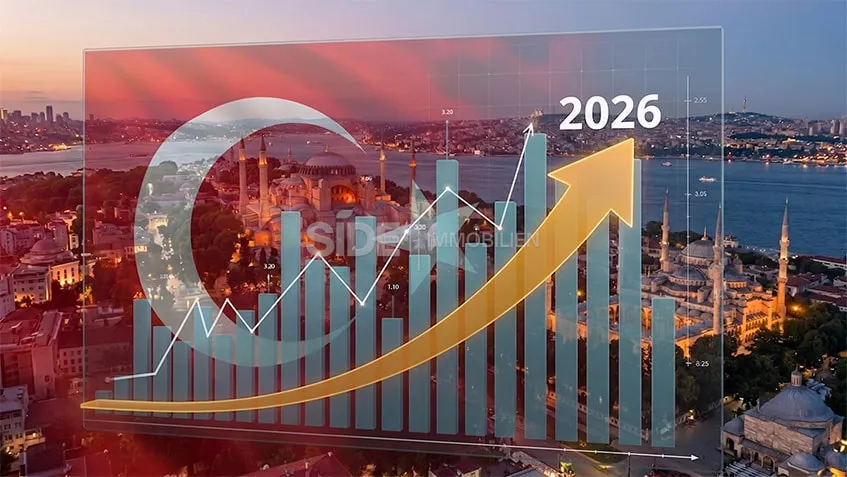
After the steep increases of earlier years, values had settled and prices were rising more steadily. Analysts expected further gains where demand is growing and new building is limited, such as Istanbul's central districts with expanding infrastructure, a rising population and scarce land.
Rental income was another plus: the source points to high yields in popular areas, particularly holiday lets and large cities. Tourism drives seasonal demand, while growing urban populations keep long-term demand steady.
Who was buying, and why
Foreign buyers remained important, though their share was below the peak years of 2021 and 2022.
- Russia: TÜİK data show Russian nationals bought about 4,867 homes in 2024, more than 20% of all foreign purchases. The source cautions that 2024 title deed registrations may include purchases from earlier years. Motives: financial stability, relocation due to geopolitical tension and a better lifestyle.
- The Middle East, especially Iran: cultural familiarity, geographic proximity, greater social and economic freedom and long-term investment.
- Europe, with a notable share from Germany: affordable prices and favourable exchange rates.
Typical goals are second homes, retirement bases and coastal holiday properties, often with an eye on holiday-letting income.
Istanbul and Antalya almost level
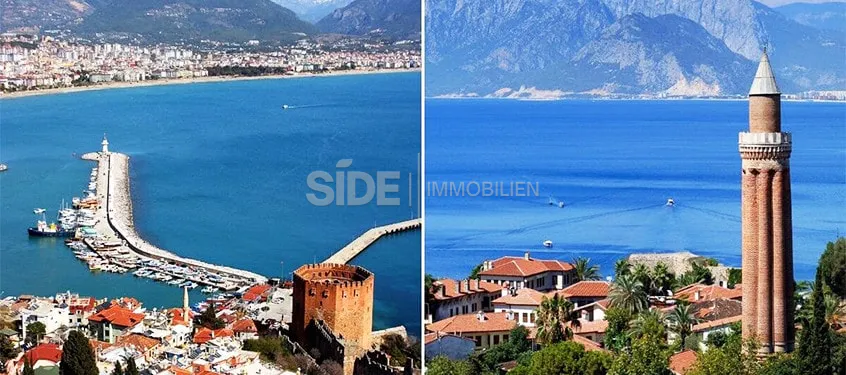
Istanbul led with about 35% of foreign purchases, with Antalya close behind at 34%. That figure covers the whole province, including Alanya, Side, Belek and Kemer, which the source says are especially popular with European and Russian buyers. Interest was also spreading to markets such as Mersin, and the focus was shifting from fast-track citizenship to rental potential, long-term use and capital growth.
Risks worth weighing
- Build quality and developer reputation: alongside many high-quality projects, some differ in standards, delivery times or after-sales service. Checking the developer and working with licensed agents helps avoid misunderstandings and delays.
- Local rules: limits on foreign ownership in certain zones or bans on short-term letting in residential buildings usually apply to specific municipalities or complexes rather than nationwide, so check in advance.
- Liquidity and oversupply: in some areas oversupply can cap short-term price growth. Properties aimed squarely at foreigners, such as luxury coastal flats, may take longer to sell.
Steps to a smooth purchase
- Define your goal: a holiday home, a rental with later resale, or a permanent move each call for different properties and neighbourhoods.
- Check location and nationality rules: some nationalities face regional limits, and in areas with many foreign residents the authorities can suspend new residence permit applications. That does not stop a purchase, but it can affect residency. For newer information, see residence permits and property in Alanya.
- Get sound advice: do not rely on marketing material alone; a dependable local partner ensures transparency and correct paperwork.
- Residency or citizenship: above a certain purchase value, a residence permit or citizenship may be possible, but not every property qualifies automatically. For newer details on citizenship and payment, see paying for property in Turkey.
- Assess rental potential: factor in seasonality, proximity to attractions and transport, local short-term rental rules and competition.
- Look at the area's development: strong infrastructure, planned transport links, shopping centres or public projects often support value growth.
- Inspect the property: if you cannot travel, use a virtual tour or live video, and with off-plan projects confirm delivery matches what was shown.
Rules and rates may have changed since, so please check the current position. This article is general information, not legal or tax advice.
Bottom line
The source described the 2025 market as active and resilient, with potential for both capital growth and rental income. If the Side and Manavgat area interests you, browse current properties for sale or contact us.