Costa del Sol vs Costa Blanca: Market, Costs and Lifestyle Compared
Pricing, running costs, rentals, daily life and popular towns: how the Costa del Sol and Costa Blanca differ for property buyers and which coast suits which priorities.
Contents
Key points
- Costa del Sol (Málaga province, Andalusia): strong international demand, limited supply in prime spots, higher entry prices and running costs, good resale liquidity.
- Costa Blanca (Alicante province, Valencian Community): a lower, more predictable entry point, more time to negotiate and steadier long-term rentals.
- When the Costa del Sol market slows, it usually shows in longer selling times rather than sharp price cuts; Costa Blanca prices tend to move gradually.
- The better coast for you depends on how you will use the home, your budget, ownership costs, rental goals and resale outlook.
As of 12 January 2026, source: comparison of the Costa del Sol and Costa Blanca for property buyers. General information only, not legal or tax advice.
Similar at first glance
Both coasts offer sunshine, beaches and plenty of foreign buyers. The real differences are practical: how prices are structured, what it costs to own, and how easily a home can be let or resold later.
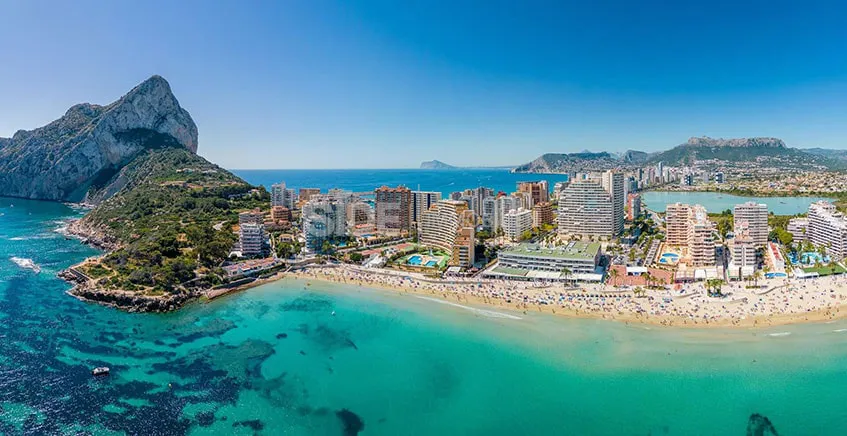
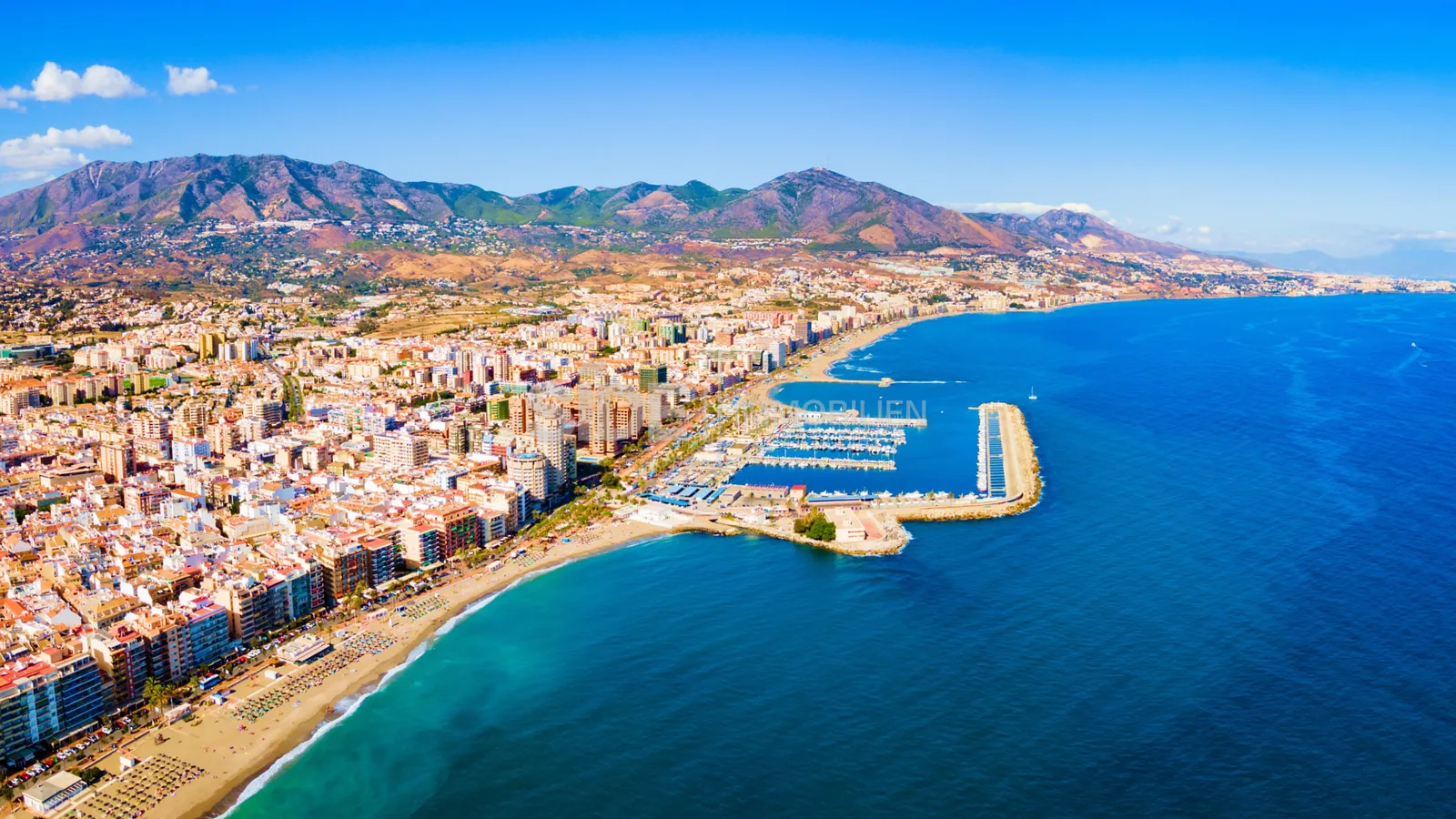
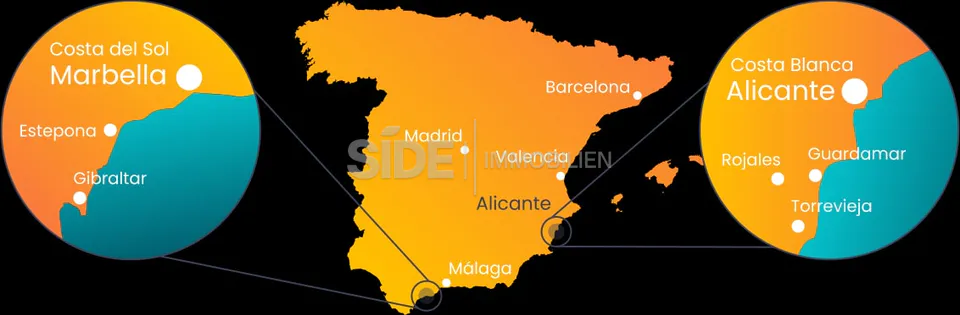
The Costa del Sol runs along the south coast in Málaga province and includes Málaga, Marbella, Estepona, Benalmádena, Mijas and Fuengirola. The Costa Blanca stretches along the east coast through Alicante province, with Alicante, Benidorm, Torrevieja and Altea. Geography shapes building patterns, infrastructure and buyer behaviour.
A common mistake is to treat both purely as holiday markets. Property in Spain is usually a long-term asset, so a useful comparison starts with three questions: how will you use the home, what running costs are realistic, and what premium are you willing to pay for location and infrastructure?
The Costa del Sol market
Constant international demand meets limited supply in good locations. Pricing is driven less by averages than by specifics – proximity to the sea, views, accessibility, build quality and specification – and well-located homes in established areas often sell quickly.
Corrections tend to appear as longer marketing periods rather than steep discounts, which often means greater value stability for long-term owners.
Buyer expectations are high, especially at the top end. Construction quality, layout, noise, access, parking, security and the standard of property management are all scrutinised, and even small weaknesses can affect a later sale. For resale homes, the developer's reputation and reliable management matter a great deal.
Short- and mid-term letting dominates. Returns can be attractive, but they depend on occupancy, licensing rules, management costs and competition. Homes with functional layouts and predictable running costs tend to hold up better over time.
The Costa Blanca market
Settlement is more spread out and supply broader, giving buyers more time for viewings, negotiation and technical checks. Prices follow tangible criteria – build quality, infrastructure, local services and distance to the sea – rather than prestige, and entry levels are lower and more predictable.
Prices usually move step by step. That reduces the risk of overpaying and leaves more room to negotiate. Capital growth is often more moderate than in the Costa del Sol's prime areas, but ownership risks are frequently easier to manage.
Rental demand is not tied only to holiday tourism: many tenants look for seasonal or year-round leases, which makes long-term letting easier.

Lifestyle side by side
- Pace of life: busier and more urban on the Costa del Sol; calmer and lower-density on the Costa Blanca.
- Social life and dining: active all year with a wide choice of restaurants on the Costa del Sol; more daytime-oriented with fewer options on the Costa Blanca.
- Culture and nightlife: frequent exhibitions, concerts and festivals and lively nightlife on the Costa del Sol; fewer events and quieter evenings on the Costa Blanca.
- International community: large and well organised on the Costa del Sol; medium-sized and more local in character on the Costa Blanca.
- Services: Málaga airport, private healthcare and international schools close at hand on the Costa del Sol; Alicante offers city infrastructure and an international airport, with international schools and clinics in some centres on the Costa Blanca.
- Cost of living: higher on the Costa del Sol; more balanced on the Costa Blanca, where many coastal towns cater to permanent residents and seasonal swings are smaller.
Where buyers look
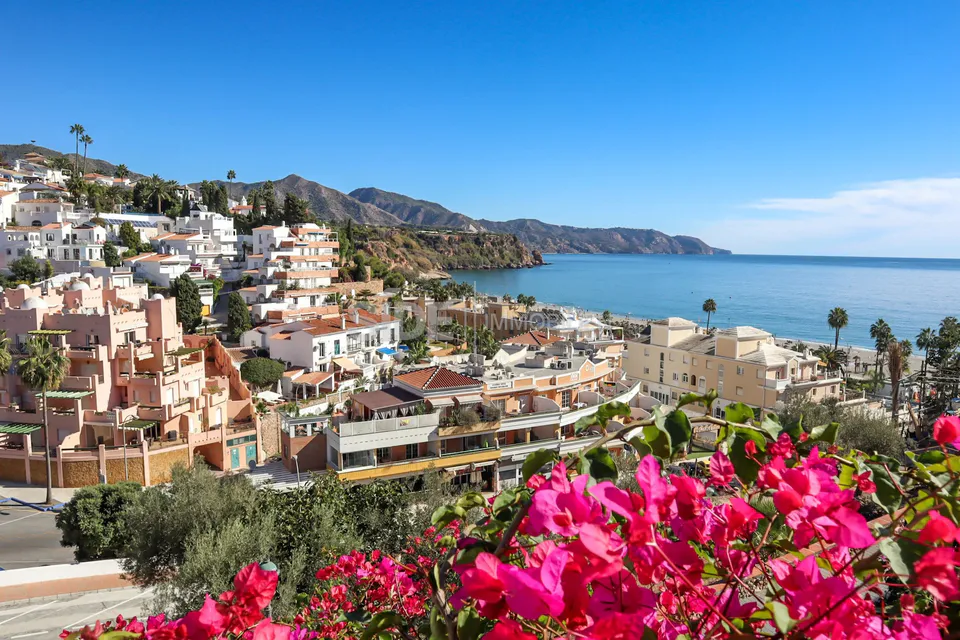
On the Costa del Sol, demand centres on Marbella, Benahavís and parts of Estepona – where projects that look alike can differ markedly in running costs and resale potential. Málaga is the urban option with year-round demand and excellent transport links; layout, build quality and access matter most there. Fuengirola, Benalmádena and Mijas suit buyers seeking a balance of price and infrastructure.
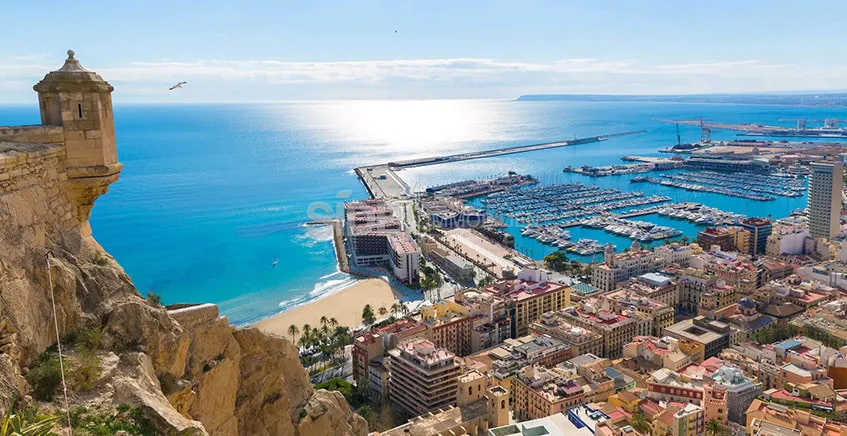
On the Costa Blanca, location choice matters even more. Alicante suits those who want city life, good connections and year-round living. Benidorm appeals mainly to rental-focused buyers, but success depends on build quality, location and professional management rather than marketing claims. The northern Costa Blanca – Jávea, Moraira and Dénia – attracts buyers looking for a quiet, practical long-term home.
Which coast offers better value?
It comes down to priorities. If you value living space, predictable costs and long-term usability, the Costa Blanca often gets you a larger home for the same budget. If you want international services, high liquidity and established infrastructure, the Costa del Sol's higher entry price often reflects better resale prospects – but running costs need careful budgeting.
Compare both systematically on budget, cost of ownership, rental goals and resale outlook.
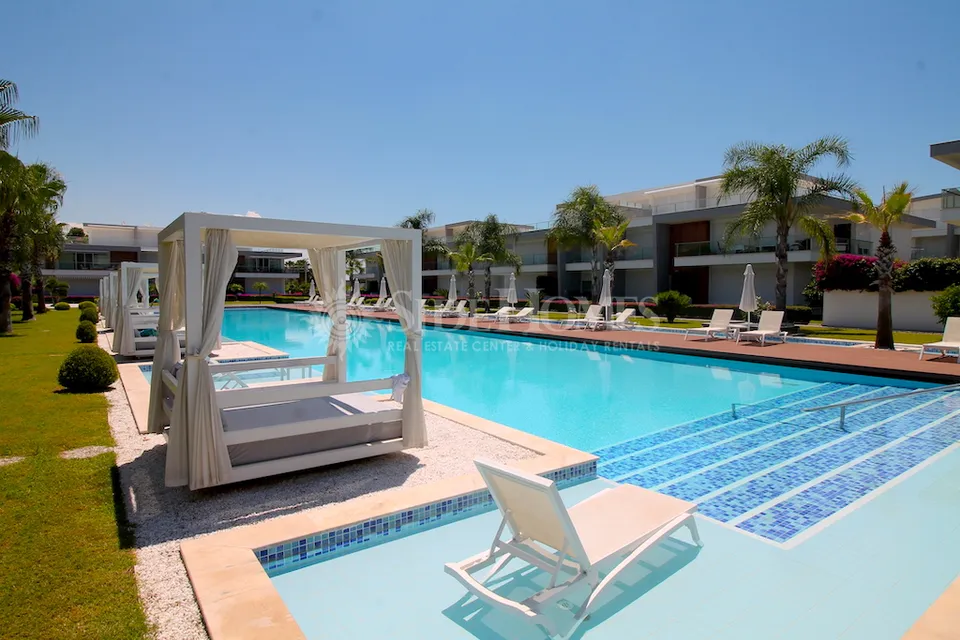
Also weighing the Turkish Riviera? Browse properties for sale and homes with a sea view around Side, or contact us.