
Moving to Dubai as a Foreigner: Visas, Costs and Neighbourhoods
Visa types, investor and Golden Visa property thresholds, monthly living costs, neighbourhoods and transport: what foreigners should know before relocating to Dubai.
Contents
Key points
- Dubai runs like a tightly managed international platform: the state sets the framework, and daily life happens mostly in residential communities, offices and malls.
- Residence always rests on a specific basis – employment, business, investment or property. A visa is not permanent residence.
- According to the Dubai Land Department (as of 2026): property-based investor residence requires a registered value of at least AED 750,000; the Golden Visa via property starts at AED 2,000,000.
- After a residence visa is cancelled or expires, a 60-day grace period usually applies.
- Renting a one-bedroom flat costs roughly AED 5,500–10,500 a month, depending on location.
As of 20 January 2026, sources: guide to living in Dubai; thresholds per the Dubai Land Department, grace period per GDRFA Dubai and the official UAE government guidance. Visa rules, thresholds and costs may have changed since – please check current requirements. General information only, not legal or tax advice.
Getting the city right
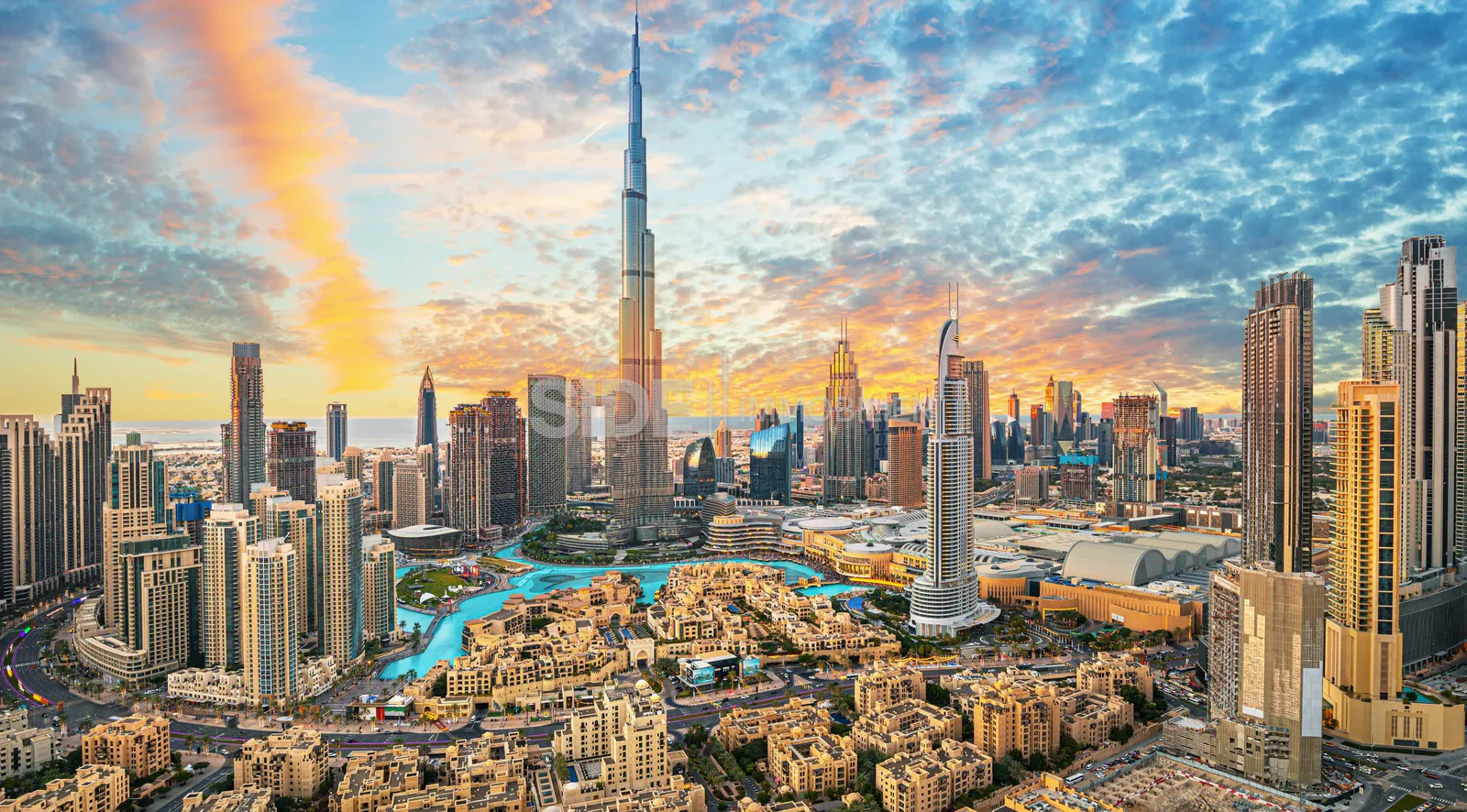
Dubai is often called a meeting point of East and West, but day to day it behaves more like a professionally run platform. Government sets the rules, private providers operate within them, and residents move through a clearly structured system.
Public space matters less than in many European cities. Life takes place in private settings – residential complexes, office towers, shopping centres and gated communities. That is why the quality of your building carries so much weight: weak construction or poor management shows up fast.
Mindset matters too. The city is built for fast processes and demands steady financial discipline. People who struggle there usually do so not because of the heat, but because their expectations do not match how the city works.
Choosing a neighbourhood
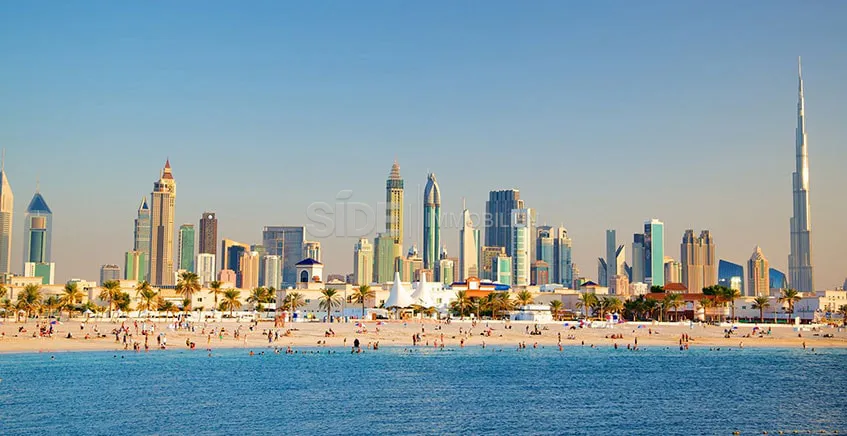
A district's name tells you little on its own. What counts is the type of development, the quality of the specific building and the lifestyle it actually supports.
Downtown Dubai and Business Bay suit professionals and investors who want proximity to business and high liquidity – at the cost of density, constant traffic, noise and higher service charges.
Dubai Marina and Jumeirah Beach Residence (JBR) offer waterfront living, but quality can vary sharply: one tower may be well managed with consistent service, while the building next door struggles with noise, unreliable lifts or operational problems.
Dubai Hills Estate, Town Square, Jumeirah Village Circle (JVC) and MBR City are geared to long-term living. Schools nearby, green space, practical layouts and predictable service charges matter more than branding, and these areas tend to attract people planning to stay five to ten years.
Visas and residence
Residence in Dubai is tied to an economic role, not to an underlying right to stay.
- Work visa – for employees, but dependent on the employer. If the job ends, your status must be changed within a limited period.
- Investor visa – through a business stake or a property purchase. It gives more independence, provided the financial requirements continue to be met. For the property route, the Dubai Land Department sets a minimum registered value of AED 750,000.
- Golden Visa – the most stable option but harder to obtain, usually requiring a substantial investment or a recognised professional profile. Via property ownership it starts at AED 2,000,000.
Every option is a conditional permit, valid only while its criteria are met. If the basis falls away, there is limited time to change status or leave – typically a 60-day grace period after cancellation or expiry.
Bank accounts follow your visa. Accounts, credit lines and long-term service contracts require an active visa and a valid Emirates ID. If the visa lapses, account access may be restricted until the situation is resolved.
Check your health cover. Insurance is mandatory, but policies differ widely. Employer plans are often basic and may exclude leading hospitals, complex procedures or chronic conditions.
What a month costs
Dubai is hard to "scale down"; below a certain level everyday life becomes impractical. Realistic monthly ranges in AED, updated January 2026:
- 1-bedroom rent, outside the centre: 5,500–7,500
- 1-bedroom rent, central areas: 8,000–10,500
- utilities and cooling: 600–1,200
- internet and mobile: 450–650
- groceries and basics: 1,800–3,200
- transport: 350–900
- health insurance: 700–1,600
- private school (monthly equivalent): 1,500–8,000
Actual figures depend on building quality, management fees and contract terms.
Getting around
There is a metro, tram, buses and taxis, and the metro is efficient – but it only covers certain corridors. The city is designed around the car, and for families and property owners one is hard to avoid. Fuel is moderately priced, yet parking, tolls, insurance and maintenance add up. When choosing where to live, think in travel time rather than distance: ten kilometres can mean twenty minutes or well over an hour.
Owning property as a foreigner
- Freehold areas allow foreigners to own outright. The real challenges are usually practical and financial rather than about the title.
- Service charges cover upkeep of the building and shared infrastructure. They vary widely by project and can change over time; a cheap unit in a poorly run complex can cost more in the long run.
- The management company largely decides what a building looks like a few years after completion – common areas, technical systems, parking and security. Fixing poor management later is difficult.
- Rental rules need checking: even where a district allows short-term lets, individual buildings may restrict them. Licensing, registration and operating costs belong in your numbers.
- Ownership is not residence. A property-based visa is available only once value thresholds and registration requirements are met – verify this upfront.
Well-chosen assets tend to stay relevant in Dubai, while weaker products lose appeal faster. Let the purpose – living, rental income or a visa strategy – drive the decision, not price alone.
Comparing places to live abroad? See what life and ownership look like around Side on the Turkish Riviera in our properties for sale, or contact us.