
Turkey's Tech Visa and Digital Nomad Visa: requirements and benefits
A three-year work permit for tech specialists and one-year residence for remote workers earning USD 3,000 a month: who qualifies, how to apply and what each visa offers.

Contents
Key points
- Turkey has launched two visa programmes for international talent: the Turkey Tech Visa and the Digital Nomad Visa.
- The Tech Visa targets tech specialists with a job offer from a Turkish tech company or their own startup plan, and includes a three-year work permit.
- The Digital Nomad Visa is valid for one year and renewable; requirements include being aged 21 to 55 and earning at least USD 3,000 a month (USD 36,000 a year).
- Turkey aims to support 100,000 tech startups by 2030.
As of 5 November 2024, source: guide by a Turkish estate agency. Visa rules, income thresholds, eligible countries and fees may have changed since – please check the current status with the official authorities. This is general information, not legal or tax advice.
Who the new visas are for
Both schemes aim to bring tech experts, founders and remote workers to Turkey. The main difference is who you work for: a Turkish company or your own Turkish startup on one side, an employer abroad on the other.
Turkey Tech Visa
Government support, investment and a growing startup scene have turned Turkey into a promising tech hub. Demand for skilled people in AI, software development and cybersecurity is rising, and the Tech Visa is meant to help fill those roles.

Requirements. Applicants need relevant expertise – in software engineering, AI, data science, blockchain or digital transformation – plus either a job offer from a Turkish tech company or a startup business proposal. A CV, references or certificates serve as proof of skills, and a tech-related degree is preferred.
Application steps:
- secure a job or prepare a business plan,
- gather your passport, proof of employment, CV, education certificates and, if relevant, the business plan,
- apply online through the e-Visa system or at a Turkish consulate,
- enter Turkey once approved,
- apply for a residence permit in Turkey.
Benefits:
- a three-year work permit,
- spouse and children can be included under the same visa,
- access to the Turkish healthcare system, with the government covering insurance premiums according to the source,
- entry to technoparks and incubation centres,
- for startups, access to venture capital, project financing and six months of legal and financial advice.
Digital Nomad Visa
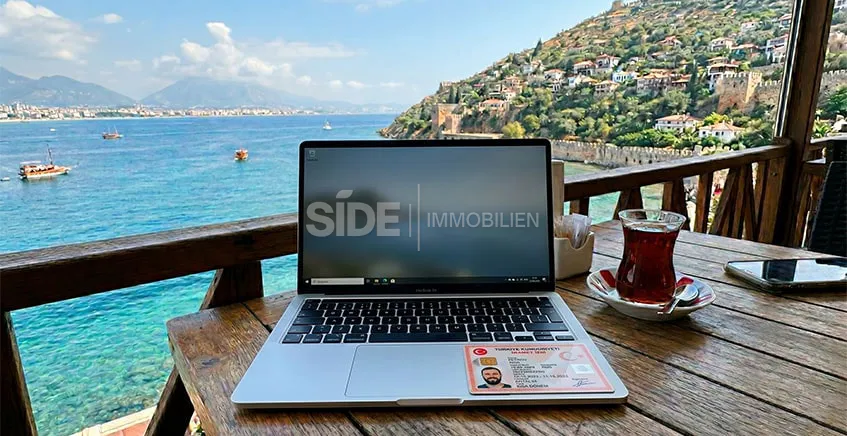
This visa lets remote workers live in Turkey while continuing to work for companies outside the country. It is valid for one year and can be renewed.
Requirements:
- aged between 21 and 55,
- a university degree or equivalent,
- a minimum income of USD 3,000 a month or USD 36,000 a year,
- proof of remote work for a non-Turkish company,
- a passport valid for at least six months from the date of entry.
According to the source, citizens of the United States, Canada, the United Kingdom, EU countries, Russia, Ukraine and other European countries can apply.
How to apply: start online on the GoTürkiye Digital Nomad platform to request a Digital Nomad ID certificate, upload your passport, diploma, income statement and employment contract, and once approved take the certificate to a Turkish consulate or visa centre to obtain the visa itself.
Benefits: a flexible form of temporary residence, possible tax exemptions on foreign-source income, a lower cost of living than in major tech cities, a location that suits clients in several time zones, and an active scene with co-working spaces and tech events in cities such as Istanbul.

Tech Visa or Digital Nomad Visa?
- Tech Visa: best for specialists working for a Turkish company or launching a tech startup in Turkey, with longer-term residence and benefits for family members.
- Digital Nomad Visa: suited to freelancers and employees of foreign companies who want flexibility and Turkish life without a local employer.
Turkey's 2030 tech goals
The country aims to support 100,000 tech startups by 2030, at least 100 of them valued at more than USD 1 billion. A centrepiece is Terminal İstanbul at Istanbul Airport, described in the source as the world's largest technopark. Tax incentives, grants and technology-focused education back the plan, and both the Ministry of Industry and Technology and the Ministry of Labour and Social Security stress the mutual benefits of the Tech Visa.
A home base on the Riviera
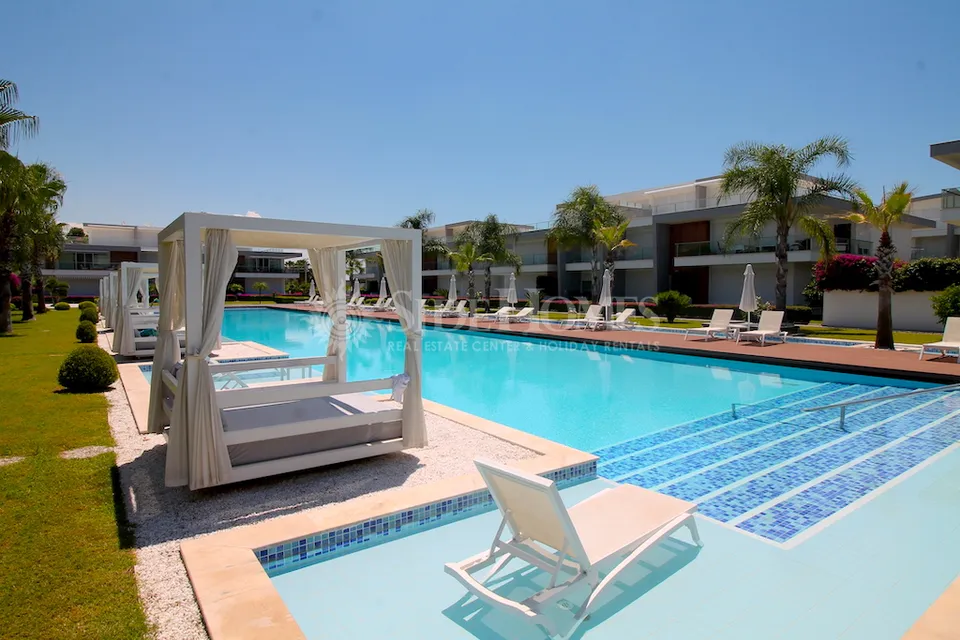
Remote workers often look for a mild climate and a calm setting. For residence permits based on property ownership and newer changes, see our article on the residence permit. You will find homes around Side and Manavgat in our listings, or you can contact us with questions.