

Spain’s TIE Card Explained for Non-EU Property Owners
NIE or TIE? Who needs Spain’s foreigner identity card, how the appointment, fingerprinting and paperwork work, and why renewal starts with your residence permit, not the card.
Contents
Key points
- The TIE (Tarjeta de Identidad de Extranjero) is a physical ID card proving an approved right to stay in Spain. It does not create that right on its own.
- The NIE is a permanent number used for buying, tax and banking; the TIE is temporary and must be renewed.
- It is needed by nationals from outside the EU, EEA and Switzerland with a longer-term right to stay. EU citizens receive a green registration certificate instead.
- You apply in person in Spain: book via Cita Previa de Extranjería, file form EX-17, pay with Modelo 790 Código 012, give fingerprints.
- According to the source, the card is usually ready 3 to 4 weeks after fingerprinting, depending on the province.
As of 1 June 2026, sources: Ministerio del Interior, Policía Nacional electronic office, Ministry of Inclusion, Social Security and Migration.
This article is general information, not legal advice. Procedures, forms and fees may have changed since then – please check the current position.
What the card actually does
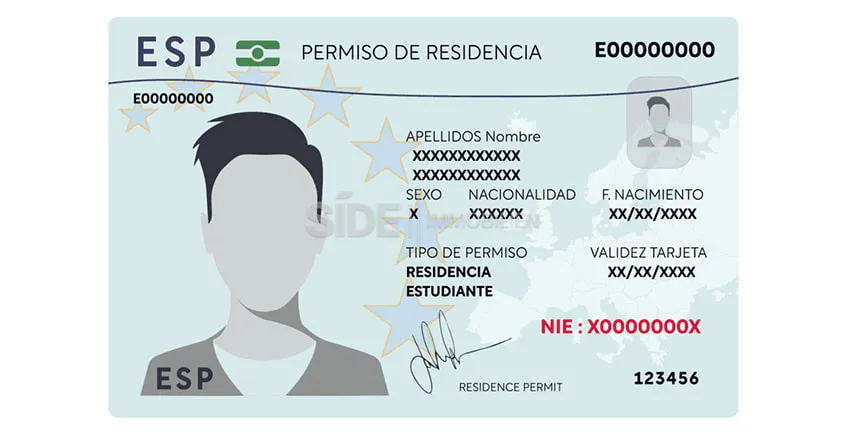
The TIE carries your personal details, photo, NIE, permit type, validity and the reason for your stay, and authorities use it to confirm your administrative position. It is not a passport and not a residence right in itself: first a status must be approved (residence, study, work or family-based), then the card is issued as proof.
For buyers the TIE usually matters after completion rather than during the purchase. Once a home is tied to relocation, long-term living, health insurance, schooling or permit renewals, it becomes one of your key everyday documents.
NIE vs. TIE
Many buyers obtain an NIE for the purchase and assume it is the first step towards residence. It is not:
- NIE (Número de Identidad de Extranjero): a unique identification number for property deals, taxes, banking and notarial deeds. It never changes.
- TIE: a physical residence card proving approved legal residence or a long-term stay. It expires and must be renewed.
The usual order is NIE first, then residence status if you have a valid basis to relocate, then the TIE. You do not "convert" an NIE into a TIE; the card simply shows your existing NIE. With some long-term visas the NIE is assigned automatically and printed on the visa sticker; otherwise you request it separately.
Who needs one
Citizens of countries outside the EU, EEA and Switzerland who may stay longer than the standard short-term period: typically holders of long-term visas such as the Non-Lucrative Visa, international students, employees, entrepreneurs and family-reunification applicants. EU citizens register as EU citizens instead, and non-EU family members of EU citizens follow a separate procedure.
Applying step by step
- Be in Spain with a basis: usually after entering on a long-term visa or after a positive residence decision issued inside Spain.
- Book the appointment through Cita Previa de Extranjería, choosing the right category: first card, fingerprinting after a positive decision, or renewal. The wrong category can mean your documents are refused.
- Pay the fee with Modelo 790 Código 012. The form covers several procedures, so the payment must match your case.
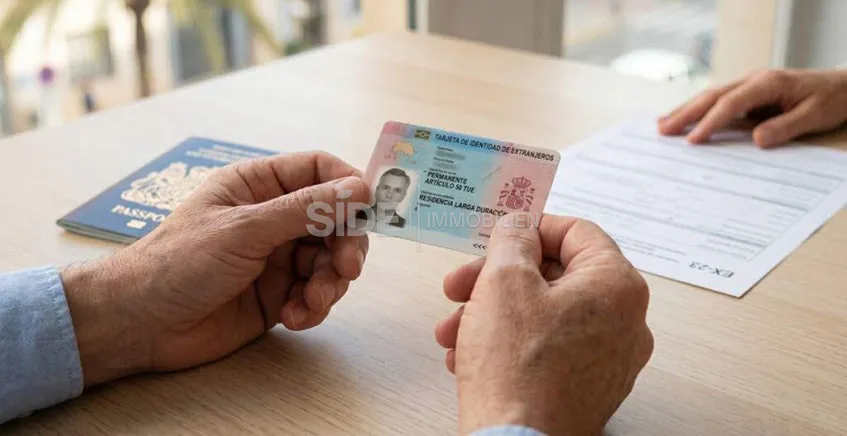
- Attend the appointment, where the key step is the toma de huellas (biometric fingerprinting). Police check your passport, the basis for the card, the form and your address, then give you a receipt.
- Collect the card a few weeks later, typically within 3 to 4 weeks.
Your document file
The exact list varies slightly by province and permit type, but usually includes:
- form EX-17,
- valid passport, original and copies,
- proof of the approved visa or residence permit,
- a recent Spanish-format passport photo,
- your appointment confirmation,
- proof of payment via Modelo 790 Código 012,
- often a certificado de empadronamiento (town hall certificate of your registered address).
Property owners should make sure the address used with the bank, notary, tax office and immigration office is the same. Mismatches lead to unnecessary questions.
Where people get stuck
- No appointments: common in popular coastal provinces with many foreign residents. Start watching the system early.
- Wrong fee: a first card and a renewal are paid differently.
- Treating purchase and residence as one process: documents prepared only for the notary leave gaps. Address registration and status planning are a separate, later project.
Renewal, rights and duties
Renewal starts with the underlying permit, not the plastic card. Only after a positive decision on the visa or residence extension can a new card be issued. For owners who split their time between two countries this is very practical: an expired card complicates banking, rentals, insurance and travel, and if the permit itself is not renewed in time you risk losing your legal basis to stay. You can track your file online through the Extranjería system using your NIE or expediente number.
If you may work, the card says so explicitly. Changes of address, family circumstances or passport details must be reported. For international travel your passport remains the primary document, and if you leave Spain with an expired card or while renewal is pending, you need an autorización de regreso (re-entry permit) to come back smoothly.
Weighing Spain against Turkey as a place to live? Browse homes in Side and the surrounding area under properties for sale, or contact us with your questions.